Summary
The newestDungeons and Dragonsedition, calledOne DnD, is set to launch in 2024 and it comes with big changes and additions to gameplay elements like Feats. The designers mostly balanced this so that significantly stronger Feats are harder to obtain early in the game.One DnD’s Feats are also no longer an optional choice for players.
This latest installment in theD&Dfranchise is meant to be backwards compatible with the sourcebooks from the game’s Fifth Edition. As such, players can rest easy knowing that they don’t have to relearn significantly new rules. Plus, they can add features from popular5ebooks likeTasha’s Cauldron of Everything, into theirOne DnDcampaigns without worry. However, players may need to change their use of elements like Feats, Backgrounds, and Classes, as they’ve received massive changes, as seen in theOne D&Dplaytest.
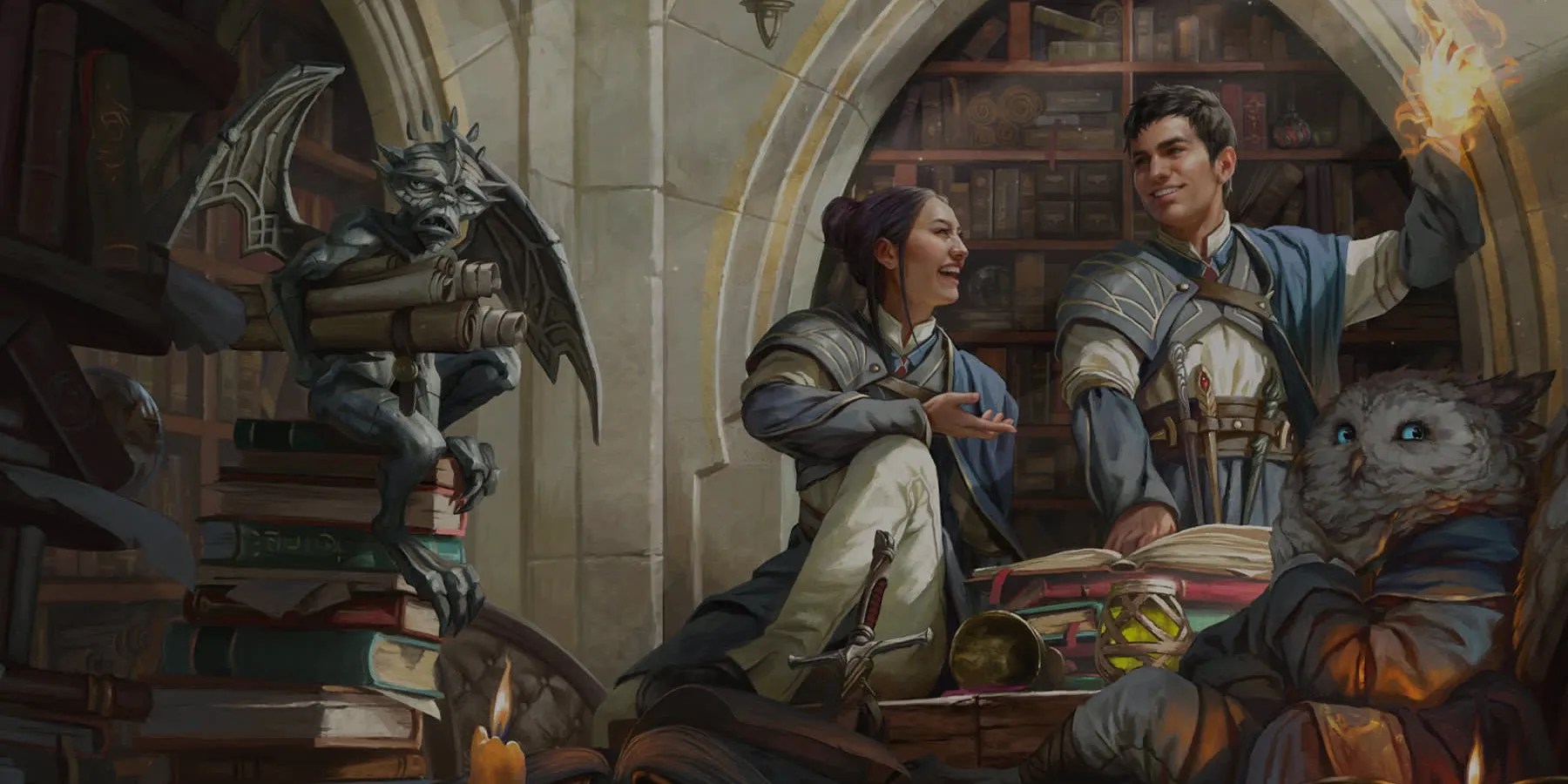
Early Feats are Tied to Character Backgrounds in One D&D
Feats used to be completely optional, as players could always take Ability Score Improvements in their place. Now, players can get Feats as soon as they create their character withtheOne D&Dplaytest’s revised Backgrounds. Each Background now comes with one Feat attached to it. For example, the Artisan has the Crafter Feat, while Acolytes have access to Magic Initiate (Divine).
Further acquisition of Feats remains largely the same as inDungeons and Dragons5th Edition. Players can swap an opportunity for an Ability Score Improvement for one qualified Feat at certain levels, depending on their class. Ability Score Improvement is now classified as a Feat, which players can repeatedly claim.

Tighter Prerequisites May Restrict Stronger Feats to Later Levels
Some Feats in the previous edition were significantly stronger than others. Sharpshooter, one of thebest feats inDungeons and Dragons 5e, lets players ignore portions of enemy cover and offered the chance to add +10 Damage at the expense of a -5 penalty to their attack roll. It seems thatOne D&Dcould be keeping these powerful Feats locked behind tighter prerequisites. This is hinted at in the revisions to the structure of a Feat:
Some Feats, likeAbility ScoreImprovement, have a prerequisite of Level 4+. This prevents players from getting a massive power spike in their rolls at the earlier levels because they chose the ASI Feat for their background. The same level restrictions could be applied to borderline overpowered Feats, which makes sense not only for gameplay but from a roleplaying standpoint as well. After all, Feats are defined as skills that a character has honed and mastered for a long time. It’s only right that they earn the stronger Feats once they’ve already racked up many sessions' worth of experiences and encounters in the campaign.

Dungeons and Dragons
Created by Gary Gygax, Dungeons & Dragons is a tabletop game in which players craft their own worlds and band together to take on adventures through mysterious realms outlined in companion materials. One of the best role-playing games ever made, it has been adapted into a variety of video games and other media.
