Fall 2022 has had some genuinely terrifying films, fromPearltoBarbarian.This is a good thing because, as horror fans find out every time they watch a new release, not every horror movie is legitimately scary. This could be the result of a number of factors, from dull settings to villains who have been seen countless times before.
There’s a horror trope called the “Rule of Scary” that suggests that an eerie environment is all that matters in this type of film. It’s fun to consider this trope and whether this is actually true or not and horror fans definitely have some strong opinions on this idea.
RELATED:The ‘Another Man’s Terror’ Trope In Horror, Explained
According toTV Tropes, the “Rule of Scary” means “if it’s creepy enough, it doesn’t matter how illogical it is.” What counts here is that audiences find it “creepy.” On one level, this makes a lot of sense.Audiences love horror moviesbecause they want to be scared so if a movie accomplishes that goal, that’s definitely a good thing. But on another level, this trope could mean focusing on eerie elements and ignoring crucial things like character development and asatisfying horror movie ending.
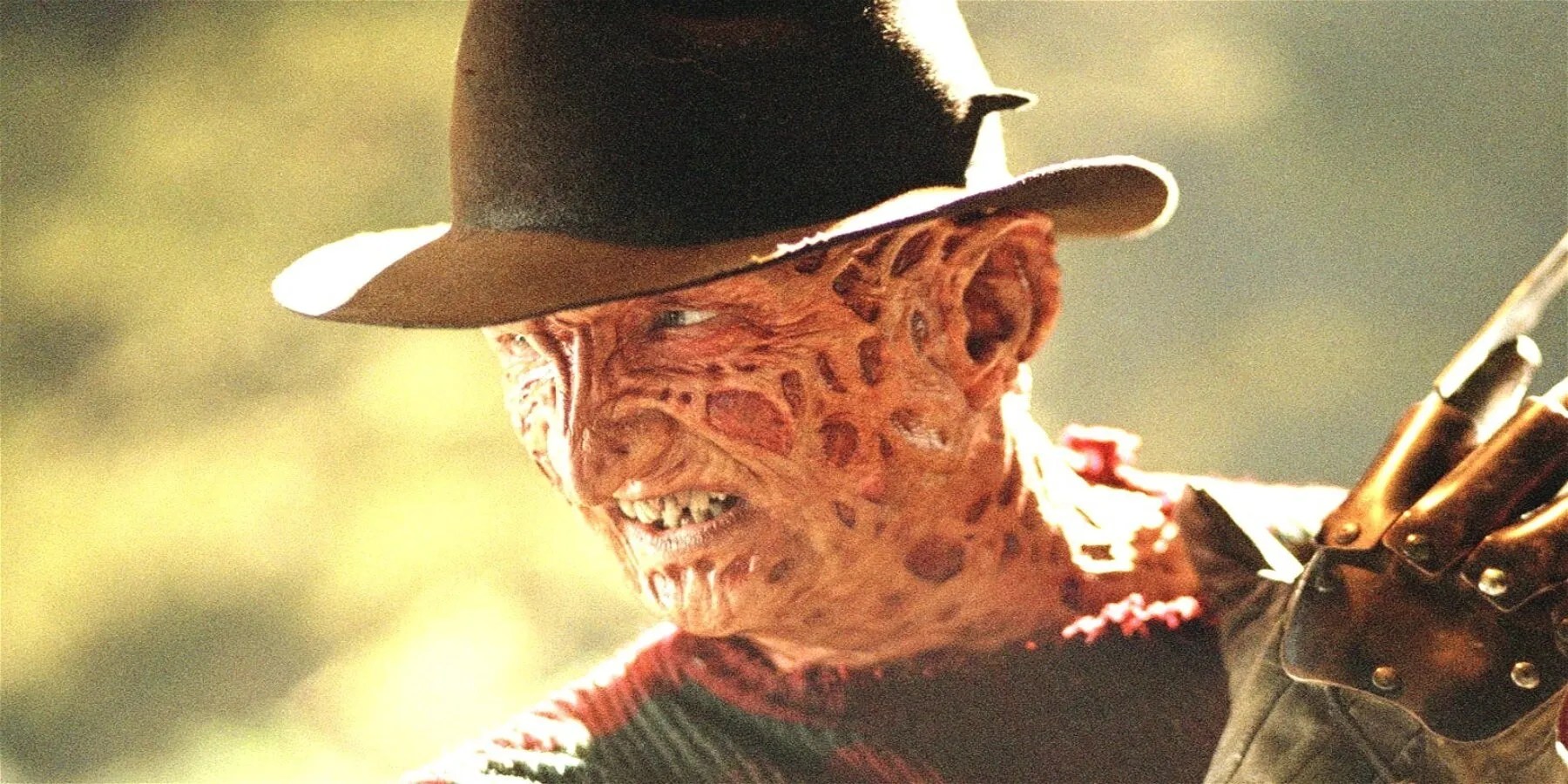
Sometimes, this trope is great. One good example is Freddy Krueger’s outfit inA Nightmare On Elm Street(1984). The character has a red and green striped sweater, a recognizable costume that has led to many Halloween costumes over the years. According toTV Tropes, Wes Craven knew that these colors look strange to the eye. According toLondon Vision Clinic, there are “forbidden colors” such as a greenish-red. As the website notes, “The opponent-process describes how the light frequencies of colours, which are composed of pairs of hues, automatically cancel each other out in the human eye.” WhenFreddy Krueger enters dreamswith his sweater and hat and claws for hands, people immediately feel freaked out by these colors being used together.

Freddy’s outfit is definitely smart as it has become so memorable, and while it might seem silly that a villain is wearing red and green, since those colors evoke memories and thoughts of Christmas, it works because it’s fun and light-hearted. This is one time when the “Rule of Scary” trope doesn’t have to make perfect sense in order to be effective.
But does the “Rule of Scary” trope actually work well? The main problem with it is that sometimes, that means that stories lack explanation and depth. For instance, fans and critics aren’t totally impressed by theStephen King movieMr. Harrigan’s Phone. While the story leans into the trope ofhorror movie phone calls, there isn’t enough going on here to make a really compelling movie. Craig (Jaeden Martell) is a generic high school character and the film is ultimately a bleak, dark look at someone who doesn’t fit in and who is unfairly bullied. While that’s heartbreaking, there is no real arc here and the film ends on a flat note. The creepy cell phone that Craig gets his hands on isn’t enough to make the movie work.
When the “Rule of Scary” trope fails, it often happens in sequels and third entries in slasher franchises. Theworst horror movie sequelsrely on how eerie and terrifying audiences find the main storyline and the villain in question but without the character development of previous entries. For example,Halloween Resurrection(2002) ignores everything that is good about Laurie Strode (Jamie Lee Curtis), from her mental and physical strength to the perceptive way that she figures out Michael Myers’s next moves. The movie asks audiences to remember that Michael is scary and he’s still a threat but doesn’t offer up anything besides that fact.
AlthoughThe Ring(2002) is atimeless 2000s horror movie, the third entry in the franchiseRings(2017) wants audiences to focus on how eerie Samara is. While of course she’s a terrifying villain, the vague characters don’t make this a fun movie-watching experience. Great sequels and franchise entries a truly cool new setting or a fantastic, well-written character. Those things are missing in this film.
There are many horror movies that suggest a scary atmosphere but don’t do anything with it.Camp Cold Brook(2018),Dashcam(2021), andThe Turning(2020) are just a few examples. InCamp Cold Brook, the main characters are filming a paranormal TV show at a camp that was once the setting of murders. The characters are generic and boring and the plot doesn’t move quickly.Dashcamis aBlumhouse horror movie that fell flatbecause the character livestreams the story from her car, but that storytelling technique doesn’t feel terrifying enough since the movie itself is dull. And finally,The Turningis another adaptation of the Henry James novellaThe Turn of the Screw, which was published in 1989. It has a creepy atmosphere, sure, but nothing else to write home about.
The “Rule of Scary” trope is ultimately a bit lackluster because by nature, horror movies are supposed to range from a bit unsettling to totally terrifying. Movies need more than just an eerie feeling and strange setting to tell a great, memorable story.
